
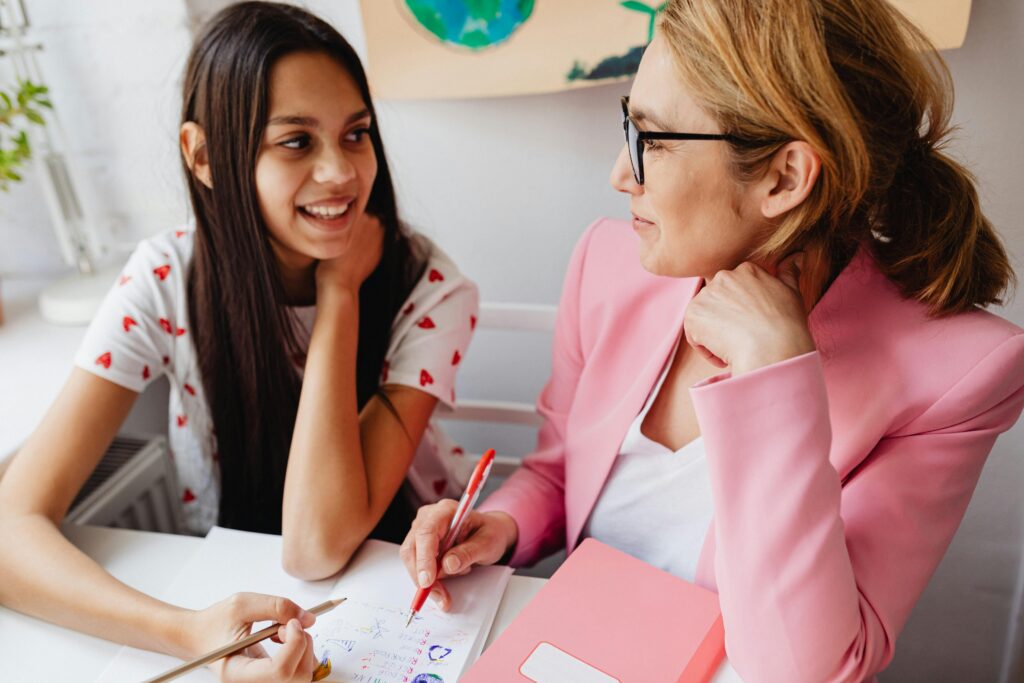
Mentorship is about more than just providing a network, or a job, or a path forward for a mentee looking to break into the tech field. It’s also about developing a genuine connection that can lead to short-term or even lifelong fellowship between two people. A mentee needs to feel something in their conversations with a mentor, be that a connection, an understanding, or a deeper bond.
Many mentees often lack networks, resources, or support, but they also may lack a friendly connection or someone who simply sits back and listens. This is why mentors should endeavor to go beyond the tactile aspects of mentorship and develop a truly friendly rapport with the person they are helping. A real helping hand, one that a mentee feels they can trust and be open with, engenders a sense of belonging and kinship that can help them reach their goals – something that more static, dispassionate mentorship can miss.
Mentors who intentionally build a supportive, friendly connection with a mentee will profoundly impact that mentee in a hugely positive way.
Practice Empathy, Emotional Intelligence, and Cultural Humility
According to Dr. Kaylarge Eloi of Brainz, mentorship is more than guidance – it is empowerment. She cited studies showing that women, minorities, and people of color with mentors are more likely to graduate and pursue advanced degrees, but argued that mentorship should go beyond the norm. It is an “investment in equity, talent, and the future” that can “mean the difference between surviving and thriving.” She is a major proponent of training mentors in cultural competence, active listening, and anti-bias strategies, all of which can help a mentor practice empathy, emotional intelligence and cultural humility.
Too often, underserved or minority mentees have no one to turn to that they can truly identify with. When choosing a mentor, some of them may feel powerless in their ability to find someone who understands their background. A mentee may not connect with a mentor who fails to see this, even if there is some tangible success in the relationship.
Mentors do not need to share the exact background of a mentee, be that race, culture, or gender. But they can invest in learning about cultural competency and show a willingness to learn and identify with their mentee. Creating this sense of kinship goes beyond providing a network or job training. It offers a friend to someone seeking understanding, and it creates an environment where they are more willing and able to thrive while moving toward their ultimate career goals.
Curiosity, active listening, and genuine care – whereby a mentor takes an active role by asking thoughtful questions, validating a mentee’s experiences, and practicing humility – will lead to a greater connection and therefore greater results.
Intentional mentoring
You could be the friendliest mentor on the block and still fail to connect with a mentee. Mentoring is not easy and it is not to be taken lightly, and a mentee – particularly one seeking common ground with someone who has a different background – will be able to sniff out a lack of genuine effort immediately.
Intentional mentoring, as defined by Haysetta Shuler of Winston-Salem State University and colleagues, is “making informed decisions and taking the appropriate actions to meet established goals between mentor and mentee.” Properly leveraging intentional mentoring is a “superpower action” for connecting with mentees. Another study found that students valued mentors with whom they identified on the basis of demographic similarity or shared values.
Essentially, intentional mentoring requires the mentor to put in effort in the same way the mentee does. A friendly, accomplished mentor with the polar opposite background of their mentee may crash and burn if they don’t make any attempt to connect with the mentee’s background, be it culturally, economically or otherwise. As we’ve noted, mentorship benefits greatly from a friendly, genuine connection. With a mentee in a minority population, simply being nice isn’t enough. Intentional mentoring is what fosters that deeper, more meaningful relationship, because the mentee knows the mentor is working hard to meet them in a place they are more familiar with.
How to develop the relationship
Mentors should create a plan prior to meeting with their mentee. They should outline the following goals:
- Learn about the mentee’s background, aspirations, and, most importantly, their values.
- Build a safe space by allowing for vulnerability and treat concerns seriously, focusing on listening, empathizing, and working together to find solutions.
- Offer resources that are meaningful to the mentee based on their goals and background. This is especially key, because it shows the mentee a willingness to find session-specific solutions for them and them alone.
- Check in regularly. Be available. Understand how and when a check-in may be important to the mentee with consideration to their background
Finally, it is important to celebrate small wins and acknowledge progress, which any good mentor should be able to do naturally.
A genuine, lasting connection
Mentorship built on intention, empathy, cultural understanding, and mutual respect will both help minority mentees find professional success while also helping them feel seen, supported, and capable. When they can rely on a true friend, not just a by-the-numbers guidance counselor, they know they will always have someone to fall back on that they can trust. In turn, this type of deep relationship benefits the mentor as well, creating a new, potentially lifelong connection and helping the mentor develop their own skills as a teacher.
Building real connections, going beyond teaching while fostering trust, belonging and representation, will help both mentor and mentee find common ground in many rewarding ways that exceed their baseline expectations for what is possible in the mentor/mentee relationship.